

Key Takeaways
- The interlocking finger test is a quick cognitive screening that asks a person to copy a specific hand gesture after watching it being demonstrated.
- Doctors use the test to observe visual processing, spatial awareness, and coordination as part of a broader cognitive evaluation.
- The test cannot diagnose dementia on its own and is combined with medical history, symptom discussions, and additional cognitive assessments.
- Ongoing memory loss, difficulty with familiar tasks, communication changes, personality shifts, and confusion with time or place may warrant a cognitive screening.
- Memory care provides personalized support, structured routines, meaningful activities, and ongoing guidance for families when additional care becomes necessary.
A Simple Test That Tells a Bigger Story
Noticing changes in a loved one’s memory can leave families with more questions than answers. As you begin looking for information, you’ll likely come across a variety of cognitive screening tools, some of which are surprisingly simple. While no single test can diagnose dementia, even brief screenings can give doctors valuable insight into how the brain is functioning.
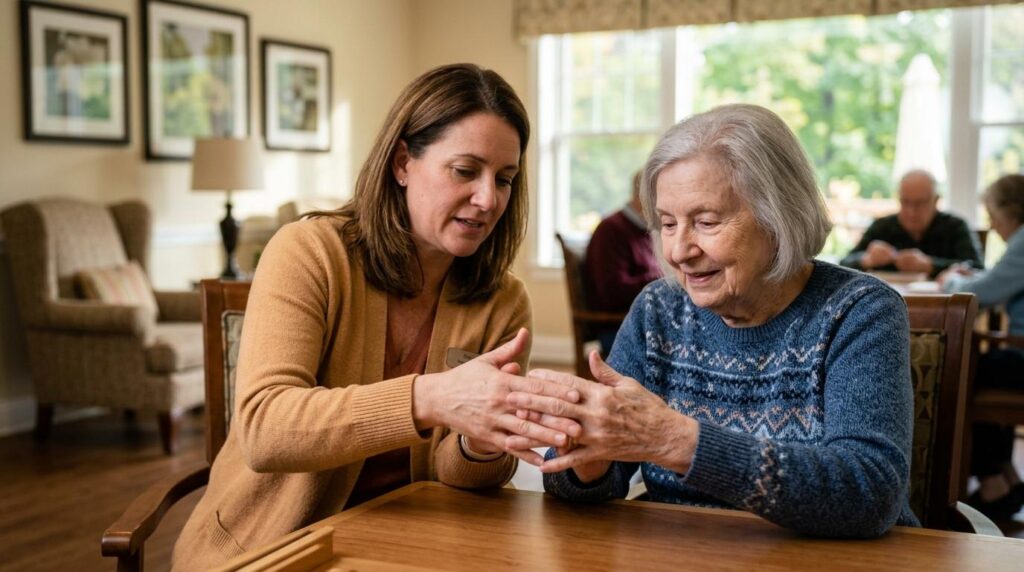
The interlocking finger test is one example. During this quick screening, a person is asked to copy a specific hand position after watching someone else perform it. The test takes only a few moments, but it can reveal changes in the brain’s ability to process visual information, plan movements, and coordinate multiple cognitive functions.
How the Test Works and What It Shows
A healthcare provider demonstrates a specific way of interlocking their fingers and asks the person being evaluated to copy the same position. There are no complicated instructions, specialized equipment, or time limits. The goal is simply to observe how accurately the movement can be reproduced after watching it once.
Successfully recreating the gesture depends on much more than hand movement alone. Doctors are observing how the brain processes visual information, understands spatial relationships, plans movement, and coordinates those actions into a single response.
Struggling with the interlocking finger test does not automatically mean someone has dementia. Many factors can influence performance, which is why physicians combine this screening with medical history, conversations about symptoms, cognitive assessments, and sometimes additional testing.
When to Recommend a Cognitive Screening
Occasional forgetfulness is a normal part of aging, but persistent changes that interfere with daily life deserve attention. Cognitive decline can be subtle, but it tends to present itself in a few specific ways.
Frequent Memory Lapses
Forgetting recent conversations, asking the same questions repeatedly, or relying much more heavily on reminders than before may indicate more than typical age-related forgetfulness. These changes become more concerning when they happen regularly or continue to worsen.
Difficulty Completing Familiar Tasks
Someone who has prepared the same recipes for years or managed household finances independently may begin struggling with routines that once felt automatic. Needing occasional help is normal, but repeated difficulty with familiar activities may warrant further evaluation.
Changes in Communication
You may notice your loved one searching for common words, losing track of conversations, or repeating the same stories several times. These communication changes can gradually become more noticeable as cognitive abilities change.
Personality or Mood Changes
Memory changes sometimes appear alongside differences in mood or behavior. Increased frustration, anxiety, withdrawal from social activities, or personality changes that seem out of character may be worth mentioning during a medical appointment.
Confusion With Time or Place
Becoming disoriented in familiar environments, forgetting appointments despite reminders, or losing track of dates and routines can all signal changes that deserve further assessment. These experiences do not confirm dementia, but they provide important information for a healthcare provider.
How Memory Care Support Can Help
Receiving a dementia diagnosis doesn’t mean every family needs to make immediate decisions about long-term care. Still, understanding what memory care offers can make future conversations less overwhelming and help families feel prepared if additional support becomes necessary.
Personalized Daily Support
Every person’s experience with dementia is different, and support should reflect those individual needs. Memory care provides assistance with daily activities while encouraging residents to maintain as much independence as possible throughout each stage of their journey.
Structured Routines
Consistent daily routines help reduce uncertainty and create a greater sense of familiarity. Predictable schedules, thoughtfully designed environments, and regular activities can help residents feel more comfortable and confident throughout the day.
Meaningful Engagement
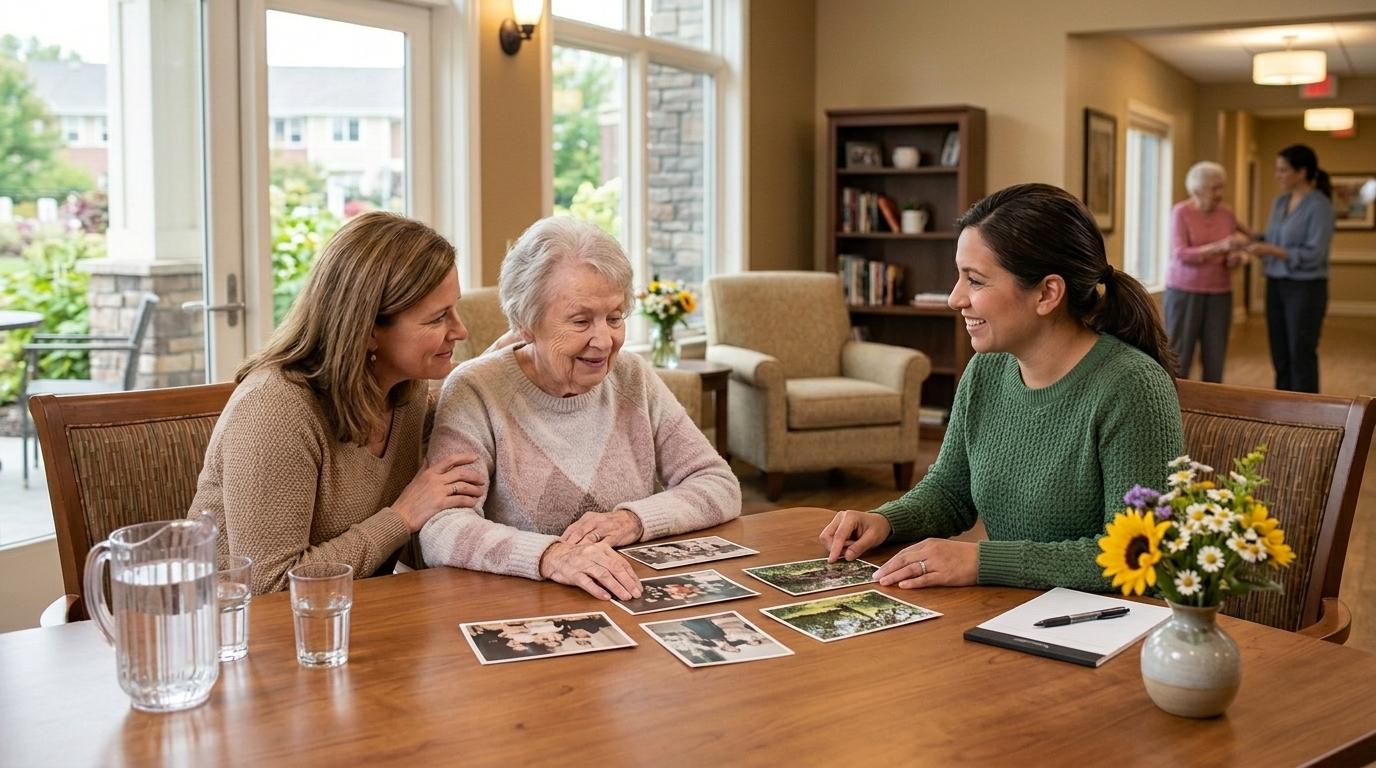
Memory care is about more than meeting physical needs. Opportunities for social connection, purposeful activities, music, games, and familiar hobbies encourage residents to stay engaged in ways that match their interests and abilities.
Guidance for Families
Families often have just as many questions as the person receiving a diagnosis. Memory care communities provide education, ongoing communication, and compassionate guidance so loved ones feel supported while navigating changing needs together.
A Caring Path Forward for Your Family
Learning about cognitive screening tools like the interlocking finger test can make an uncertain situation feel a little less overwhelming. While no single screening provides all the answers, recognizing changes early gives families more time to ask questions, explore treatment options, and make thoughtful decisions together.
At Boden Senior Living in Maplewood, we understand that every family’s journey with dementia is different. Our memory care lifestyle is built around compassionate relationships, personalized support, and opportunities for residents to continue experiencing purpose and connection each day. Schedule a tour of Boden Senior Living in Maplewood today to learn more about our memory care lifestyle.