

Key Takeaways
- Memory care is most meaningful when it’s built around the individual, not a one-size-fits-all plan
- Consistent routines and familiar rhythms help reduce anxiety and support daily comfort
- Spiritual and emotional support is offered to residents, families, and care staff alike
- Families are welcomed as partners throughout the entire care journey
- Boden Senior Living in Maplewood offers a warm, homelike memory care community close to familiar landmarks
What Personalized Memory Care Means for Your Loved One
When a loved one begins to need memory care, it can feel like a lot is suddenly out of your hands. You want them to feel safe, known, and cared for, not just looked after. That difference matters more than most people realize.
Personalized memory care means your loved one is treated as a whole person, with their own story, preferences, needs, and routines guiding every part of their day.
It’s not about following a standard checklist. It’s about building a life that still feels like theirs.
What Personalized Memory Care Really Looks Like
Each resident in a memory care community deserves a care plan shaped around who they are. That starts with learning their history, the routines they’ve always loved, the foods they enjoy, and the little things that bring them comfort.
A care team that knows someone well can support them far more meaningfully than one that doesn’t.
Care plans aren’t fixed. They shift as a person’s needs shift, so your loved one continues to receive the right level of support at every stage. That kind of flexibility can make a real difference in how comfortable and settled they feel each day.
Learning more about what memory care services offer can help your family feel more prepared for that conversation.
How Daily Life Supports Dignity and Independence
Routines That Feel Familiar and Safe
For someone living with memory loss, predictability is a gift. Knowing what comes next, when meals happen, and when familiar faces will appear can reduce feelings of confusion and anxiety.
A consistent daily rhythm helps your loved one feel grounded, even on harder days.
Small, repeated moments, like a morning walk, a favorite song before lunch, or a quiet activity in the afternoon, can create a real sense of stability. These aren’t just scheduled tasks. They’re anchors that help each day feel manageable and calm.
Staying informed about the regular events in your loved one’s life can give families a clearer picture of how structure shapes each resident’s day.
Activities Designed Around the Whole Person
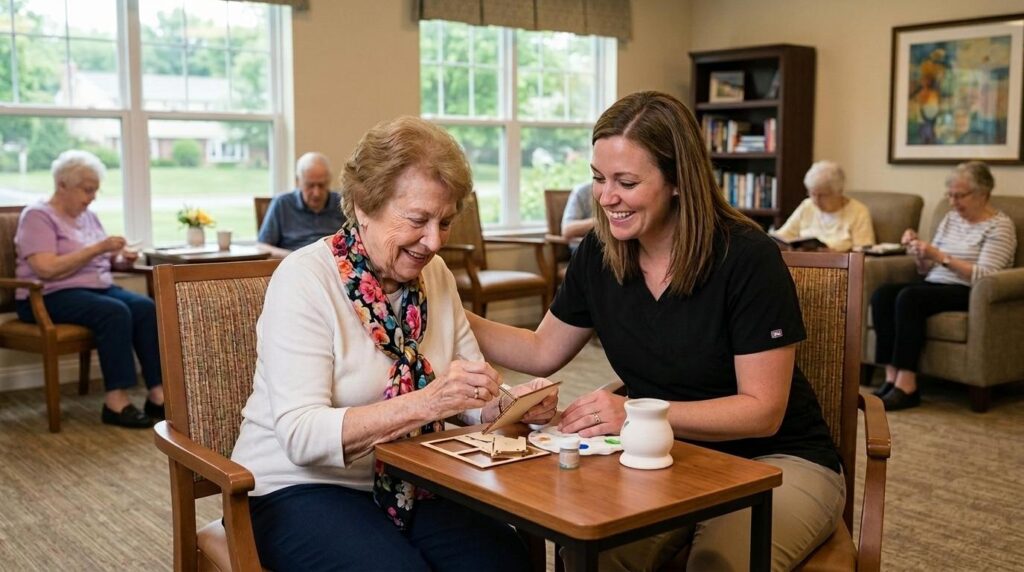
Programs in a thoughtful memory care community are built around what each resident actually enjoys, not just what’s easy to organize.
If your loved one spent decades gardening, cooking, or listening to a particular kind of music, those interests deserve a place in their daily life. Research on music and memory suggests that familiar songs can spark emotional recall in meaningful ways.
Social connection and purposeful engagement stay at the center of meaningful memory care.
When residents have opportunities to contribute, laugh, and connect with others, it supports their sense of identity and belonging in a way that no single treatment can fully replicate.
Thoughtfully designed games and activities for seniors with dementia play a real role in keeping that connection alive.
The Role of Spiritual and Emotional Well-Being in Memory Care
Memory care that focuses solely on physical needs overlooks a significant part of what makes someone feel whole. Emotional and spiritual well-being matter deeply, especially as life changes.
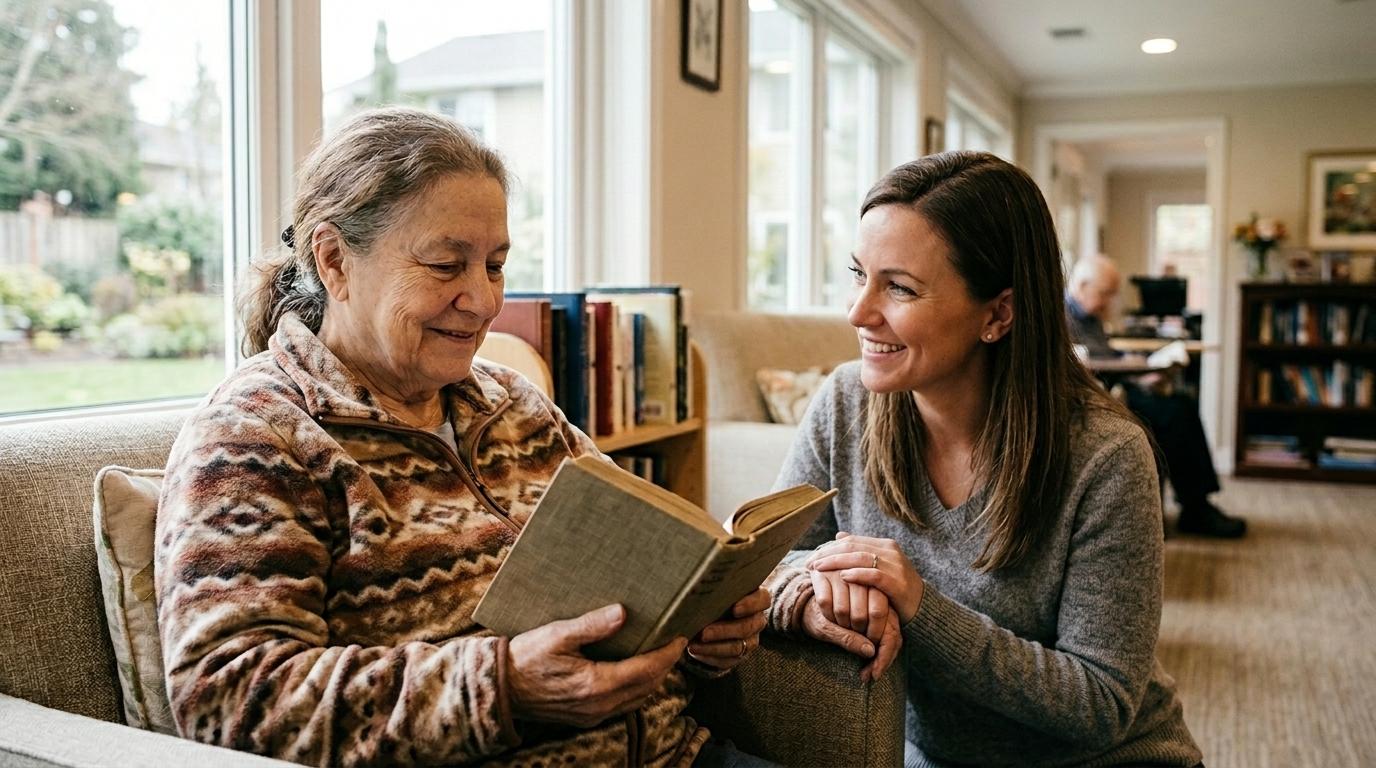
Chaplains can offer one-on-one visits, quiet conversation, and gentle support tailored to each person’s beliefs and background.
Spiritual programs are designed to honor individual values, not to push any particular practice, whether your loved one draws comfort from prayer, nature, music, or quiet reflection. That space deserves respect.
Compassionate emotional support extends beyond the resident to include families and care staff, because everyone in the circle of care needs support.
How Families Stay Involved and Supported
Open Communication Between Families and Care Teams
You shouldn’t have to wonder how your loved one is doing. Regular updates from the care team help you stay informed and feel reassured that they’re being looked after with intention.
When families are kept in the loop, trust grows naturally on both sides.
Families are welcomed as partners in the care process, not just visitors. Your knowledge of your loved one’s history, personality, and preferences is genuinely valuable.
A good care team listens and incorporates what you share, and practical communication strategies can make those conversations feel more natural and productive.
Support That Helps Caregivers Feel Less Alone
Navigating memory care decisions can feel overwhelming, especially when you’re also managing your own emotions.
Recognizing the signs of caregiver stress early can help you take steps to protect your own well-being before burnout sets in. You don’t have to figure everything out on your own.
Support in a memory care community extends to the whole family. When you feel steadied and informed, you can show up more fully for your loved one, and that benefits everyone involved.
Our community can offer helpful guidance and family resources when you’re ready to explore next steps.
A Warm Place to Call Home in Maplewood
At Boden Senior Living, we’ve built a memory care community in Maplewood designed around comfort, belonging, and the kind of daily warmth that turns a place into a home.
When your family is considering the next step, a tour can help you see and feel what personalized senior living is really like. Come walk the halls, meet the team, and picture your loved one here. Reach out to our team and take that first step together.