


Key Takeaways
- The 4 A’s of Alzheimer’s are amnesia, aphasia, apraxia, and agnosia.
- Each one reflects a different area of cognitive change in your loved one.
- Early signs can show up in subtle ways with repeated questions, word-finding struggles, or confusion in familiar places.
- Memory care support can help your loved one feel safe, seen, and valued every single day.
A Closer Look at Alzheimer’s Symptoms
When someone you love starts to change in ways that are hard to explain, it can be unsettling. Maybe they’ve asked the same question 3 times in one afternoon, or they’ve gone quiet in conversations they used to love. You’re not imagining it, and you’re not alone in trying to make sense of what’s happening.
The 4 A’s of Alzheimer’s—amnesia, aphasia, apraxia, and agnosia—are a helpful framework for recognizing the different ways Alzheimer’s can affect your loved one’s daily life. Understanding what each one looks like can help your family take thoughtful, compassionate next steps at Boden Senior Living in Maplewood, where memory care services are rooted in warmth and dignity.
The 4 A’s of Alzheimer’s Symptoms
Alzheimer’s doesn’t affect just one part of the brain. It touches memory, language, movement, and recognition. That’s why doctors and care teams often refer to these 4 distinct areas of change. Together, they paint a fuller picture of what your loved one may be going through and help guide the kind of support they need most.
Amnesia: Memory Loss
Amnesia is probably the most familiar of the 4 A’s. It goes beyond the occasional forgotten name or misplaced key. Your loved one might forget recent conversations, struggle to recall the names of close friends, or lose track of events that happened just hours ago.
What makes this different from normal forgetfulness is the frequency and the impact. When memory gaps start to affect daily life, like missing appointments, repeating the same story back-to-back, or forgetting how to get somewhere familiar, it’s worth paying attention. Learning about the early warning signs of Alzheimer’s can help your family feel more prepared for what to do next.
Aphasia: Language Challenges
Aphasia shows up when words become harder to find. Your loved one might pause mid-sentence, searching for a word that just won’t come. They may substitute an unusual word, lose their train of thought, or slowly pull back from conversations they once enjoyed.
This can be quietly frustrating for them and heartbreaking to watch. Social situations may start to feel overwhelming, which is often why families notice their loved one becoming more withdrawn over time. Knowing how to communicate with someone experiencing these changes can make a meaningful difference in keeping your connection strong.
Apraxia and Agnosia: Movement and Recognition
Apraxia affects the ability to carry out familiar physical tasks. Things like buttoning a shirt, using utensils, or following a sequence of steps can become genuinely difficult, even when there’s no physical reason they should be. It’s not a matter of trying harder. The brain simply struggles to send the right signals.
Agnosia is about recognition. Your loved one may have trouble placing a familiar face, recognizing everyday objects, or connecting a sound to its source. Imagine not being able to recognize the voice of someone you’ve loved for decades. That’s the kind of disorientation agnosia can bring.
Both of these changes deserve gentle, patient support. Understanding the 7 stages of Alzheimer’s can help your family know what to expect as things shift over time.
Early Signs You May Notice in a Loved One
The 4 A’s don’t always arrive all at once. More often, they show up gradually, and it’s the small things that catch your attention first. Knowing what to look for can help you act sooner rather than later. The Alzheimer’s Association outlines 10 early warning signs that are worth keeping in mind as you pay closer attention:
- Repeated questions or the same story told multiple times within a short timeframe.
- Withdrawal from social activities, hobbies, or gatherings they used to enjoy.
- Confusion in familiar places like getting turned around in their own neighborhood.
- Difficulty with tasks they’ve done comfortably for years, like cooking a favorite meal.
- Trouble following conversations or finding the right words to express themselves.
None of these signs means your loved one has lost who they are. They may just need more support to feel steady, safe, and connected. If several of these feel familiar, exploring the signs that memory care may be the right next step can be a helpful place to start.
How Memory Care Support Can Help
Personalized Daily Routines
One of the most grounding things for someone living with Alzheimer’s is a predictable, supportive daily rhythm. Structured days reduce confusion and give your loved one something familiar to hold onto, from morning activities to mealtimes to quiet wind-down moments in the evening.
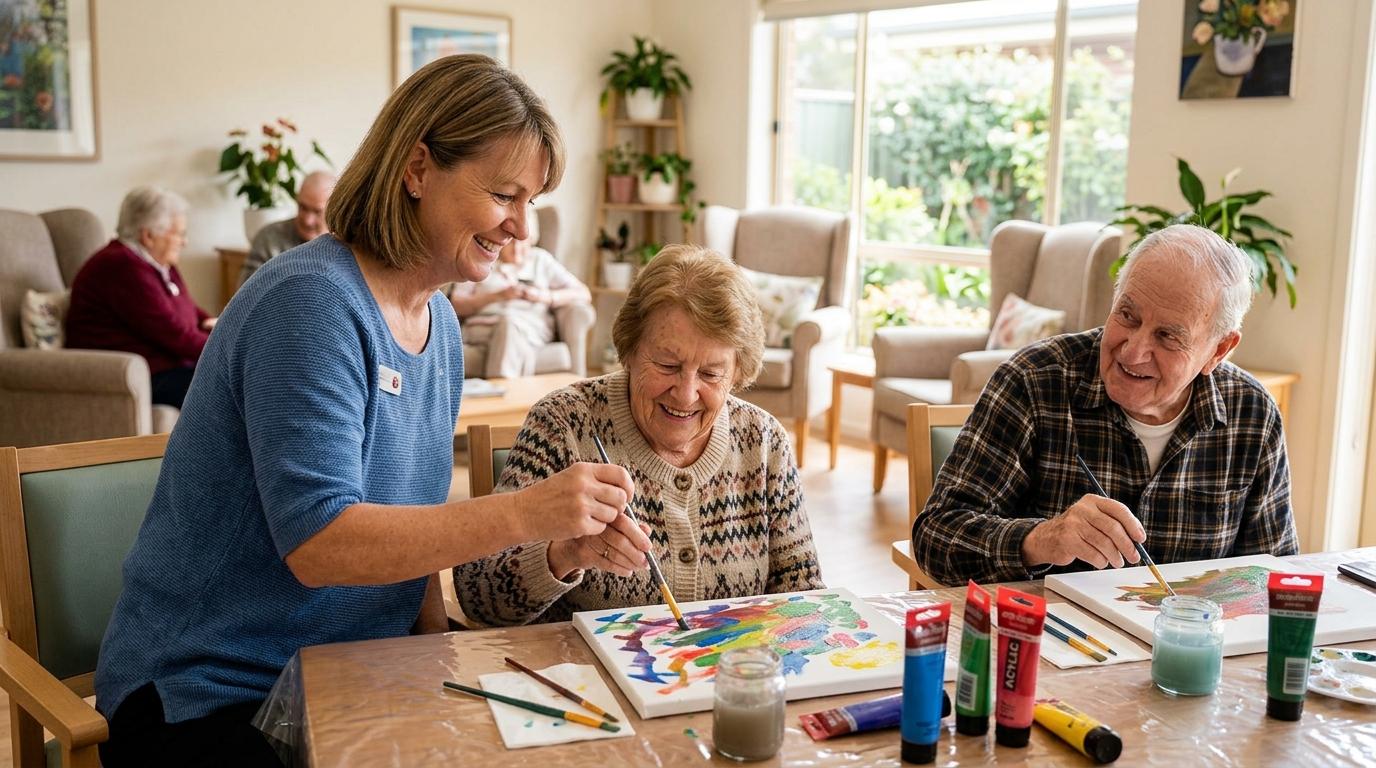
Personalized care plans make sure to help the routine fit the person, not the other way around. That kind of thoughtful attention can meaningfully reduce anxiety and help your loved one feel more at ease day to day. Take a look at the monthly activity calendar to see the kinds of enriching daily moments your loved one could be part of.
A Warm, Supportive Environment
Memory care within a senior living community means your loved one is surrounded by a compassionate team that truly knows them. Every interaction, from a morning greeting to help with a daily task, is rooted in dignity and respect. Exploring what to look for in a memory care community can help your family feel more grounded as you navigate this decision.
A strong memory care community focuses on belonging. Residents aren’t just cared for; they’re celebrated, included, and supported to live with as much joy and purpose as possible.
Next Steps for Your Family
If you’re recognizing some of the 4 A’s in your loved one, the most meaningful thing you can do is start an honest, loving conversation with them and with each other. You don’t have to have all the answers right now. Taking it one step at a time is enough.
Boden Senior Living in Maplewood offers memory care rooted in warmth, purpose, and genuine connection. If you’re ready to explore what support could look like for your family, reaching out to schedule a tour is a wonderful place to start. Hope and help are closer than you might think.